LFA 2026
Meet the Dockers: Tom Bright
Architectural photographer Tom Bright explores not just how buildings look, but how they’re lived in - capturing the everyday moments that shape a sense of belonging.
His work will feature in Belonging at Royal Albert Wharf, a free event on Tuesday 30 June at Art in the Docks Gallery, Royal Albert Wharf, part of the London Festival of Architecture 2026. Delivered in partnership with Notting Hill Genesis and the Royal Docks Team, the exhibition presents a resident-led photographic study of life at Royal Albert Wharf near Gallions Reach, bringing together residents and project partners to reflect on how the neighbourhood has evolved.
In this Meet the Dockers interview, Tom shares how using photography as a research tool reveals how belonging grows over time.
This project uses photography as a research tool rather than just documentation. How has that changed the way you approach your work?
It's changed almost everything about how I work. I'm still a commissioned architectural photographer, where I usually represent what an architect is already claiming about the building - for the purpose of publicity such as awards, bids, and marketing. The camera is pointed at the architecture.
Treating photography as research flips that. Instead of illustrating what a building is supposed to do, I'm using photography to represent the lived experience of residents whether that aligns with the designer’s intent or not. That means slowing down, sharing control over what gets photographed with residents, and being willing to show absence and tension as well as the polished moments.
The image stops being the product of marketing and becomes a part of the process of discovering something about this building or neighbourhood.
The longer people live somewhere, the more I think belonging gradually moves beyond the home into shared space - and that's where community starts to form.
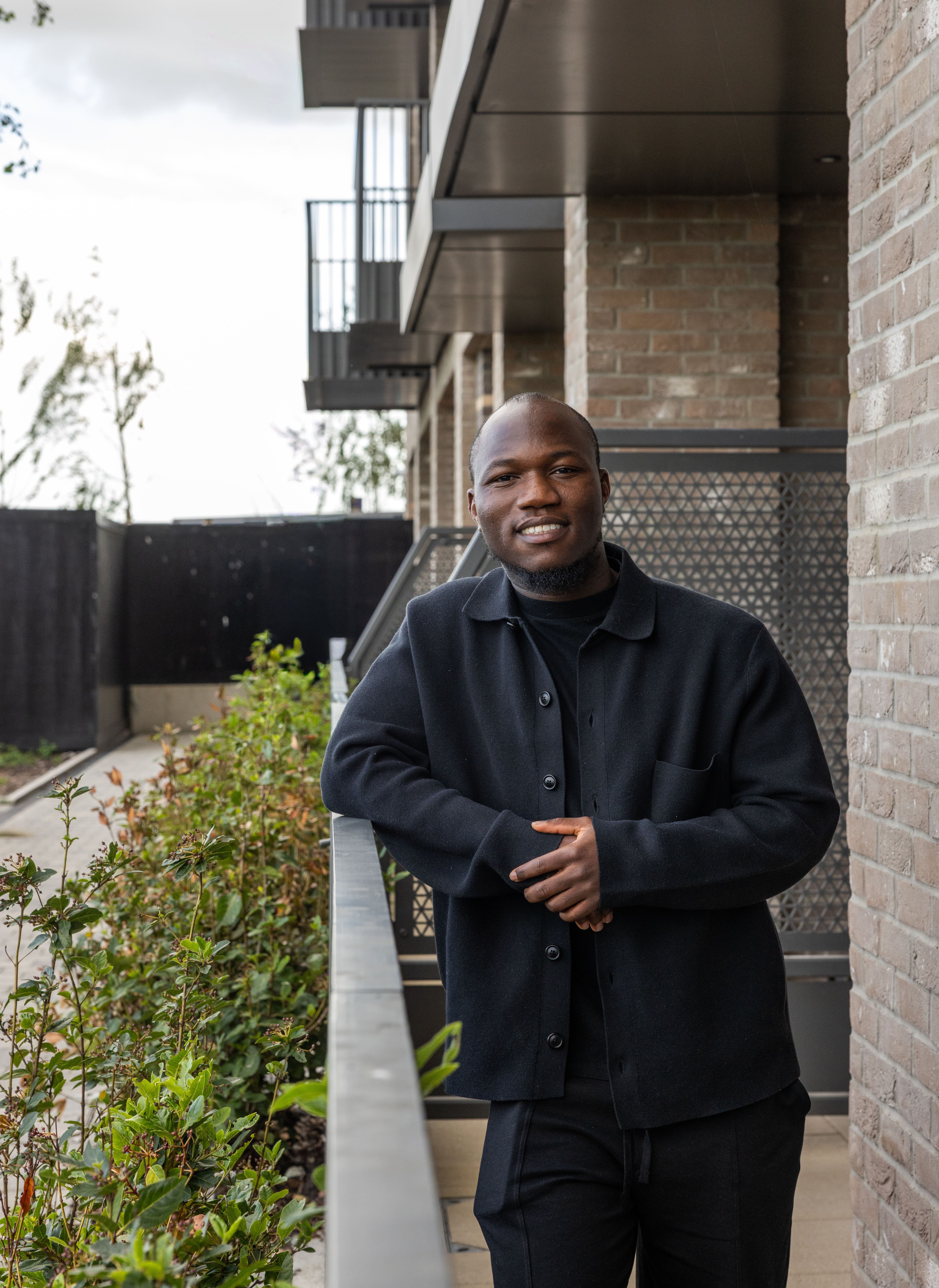
Photographic work from Belonging at Royal Albert Wharf, capturing everyday life at Gallions Reach
How do you show things like community, connection and belonging through photography?
Carefully, because these are exactly the things that architectural photography most often stages. A lot of housing imagery ‘stages' community - selectively chosen people standing in for residents to imply a vibrant social life that often can't be evidenced.
What my research suggests is that belonging isn't fixed, and it isn't only found in the spaces designed for it. It starts small and personal. With my first participant at Royal Docks, who's just moved in, belonging is very much inside his home - in comfort, privacy, and the objects that connect him to his history. The longer people live somewhere, the more I think belonging gradually moves beyond the home into shared space - and that's where community starts to form.
You can see that in the photographs from ‘Buzzapalooza!’, a community event by Art in the Docks, where people came together to create, share and occupy space as their own.
So, showing community means following belonging as it grows outward from the home into the life of a place.
What do you look for when trying to show how people are actually using a space day to day?
Routine, movement and negotiation. The everyday social value of a home tends to sit in habits - the route someone takes, where they pause, how they create conditions like privacy through behaviour rather than being reliant on design, the personal touches they add over time.
I look for thresholds and transitional spaces - balconies, doorways, courtyards - because that's where a lot of social life happens, and it's usually invisible in conventional photography. I'm also looking for the gaps: where a space designed for one thing is used for another, or where something the design promised hasn't taken root yet.
Those misalignments between what was intended and what people actually do tell you more about lived experience than any staged or an artificially posed photo.
How did you collaborate with residents to create the images?
The collaboration starts well before the camera comes out. Residents talk me through their routines and what belonging actually means to them, and they map where they feel connection, privacy or wellbeing and where those things are absent. Those conversations, not a brief from an architect, define what we then photograph.
With my first Royal Docks participant we built a shoot around his own account of his sense of belonging; his office and the objects that hold his story, the balconies where he chooses connection, the bedroom as a place of sanctuary, and even the absence of a nearby park he hasn't replaced yet in his routine.
We staged re-enactments of real everyday practices together, and he co-directs which moments feel authentic and which feel too staged.
My role becomes facilitating and translating their experience into images, rather than directing a scene to fit a narrative that is not based in lived experience.
The aim isn't a beautiful image of belonging; it's an accurate one.
How do you make sure those recreated or staged moments still feel honest and true to people's experiences?
By making sure the staging always comes from the resident's own account, never imposed. The reenactment is of something that actually happens - grounded in what they've described and mapped - so there's continuity between what they said, what they marked, and what we photographed. The resident reviews and corrects the plan beforehand and co-directs on the day, so they can tell me when something feels too posed.
I also resist the temptation to tidy reality into something more flattering. If the surrounding area doesn't feel like home yet, that stays in. Treating the difficult and the still-forming moments as valuable, rather than editing them out, is what keeps the process honest. The aim isn't a beautiful image of belonging; it's an accurate one.
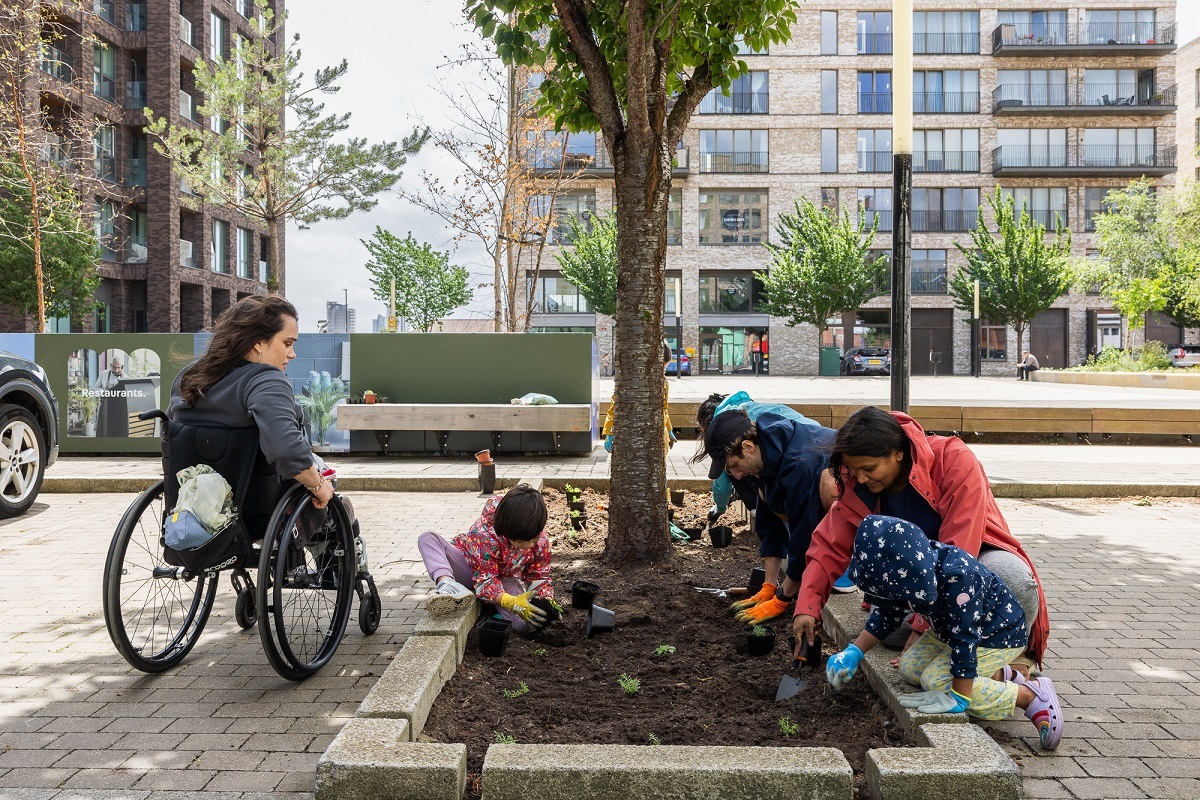
Community planting session with At the Docks, part of Belonging at Royal Albert Wharf photographic study
What differences have you noticed between photographing a new development and one where people have lived for a few years?
This is exactly what the Royal Albert Wharf study is set up to explore -comparing a recently completed homes (Gallions 3B) in early occupation against earlier completed homes (Great Eastern Quays), where people have lived since around 2017.
A new development can sometimes feel more visually complete than socially settled. Everything is finished and looks its best, but the social life of the place is still mostly potential - belonging is anticipated rather than realised, and for early residents it tends to sit close to home.
In a place where people have lived for a few years, there are usually more visible traces of belonging: personal touches, familiar patterns of use, relationships between neighbours, and a stronger sense that the place has been lived in rather than simply designed. You can see that established community life at Art in the Docks, in events and shared activities, where people come together and use these spaces in their own way - exactly the kind of collective belonging that takes time to form.
Photographing both side by side lets you see which kinds of social value need years to develop, and which are supported immediately by good spatial and building design.
What has surprised you most while working on this project?
What's surprised me most so far is how belonging builds outward in stages. With my first participant, it starts with the personal objects he brought with him - a painting of Lagos, his graduation photo, a chess board from his travels - things that hold his memory and history.
From there it extends into the design of the home itself: the balconies, where he can be social or find a quiet moment looking out over the Thames. And then, separately, I photographed a shared community event elsewhere on the development, hosted and attended by residents who've lived there for years - and there you can see how belonging in the home grows into belonging in a community.
The real surprise has been watching those stages add up - from the most personal objects, through the home, and outward into shared community life.
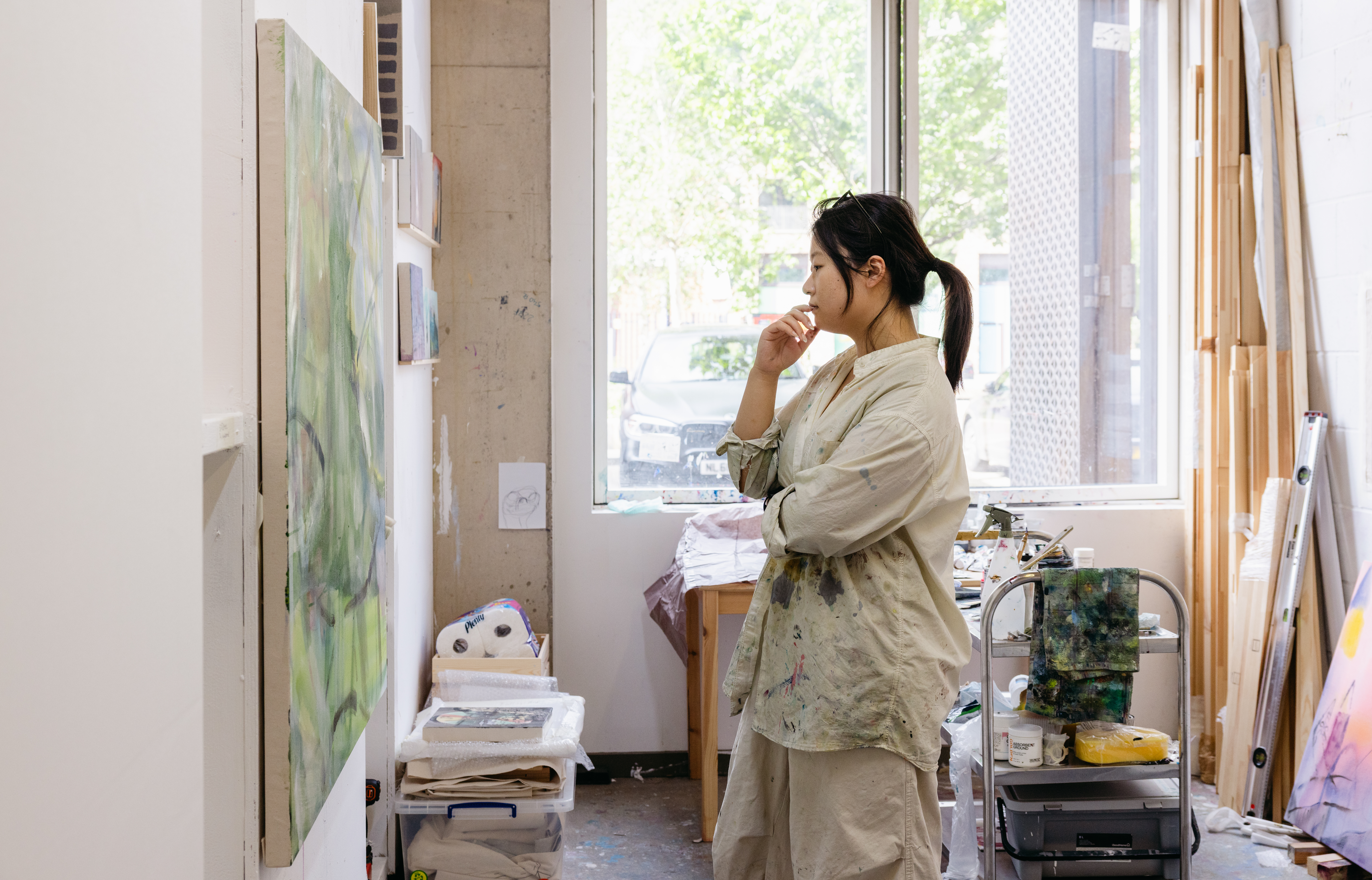
Portrait featured in Belonging at Royal Albert Wharf
Why would you encourage people to come and see the exhibition and be part of the conversation at Belonging at Royal Albert Wharf?
Because it's a rare chance to see housing from the inside out - through the eyes of the people who actually live there, rather than the usual polished marketing images.
The exhibition puts early occupation and longer-established occupation side by side, alongside architectural intent and residents' own experiences, so you can see how belonging develops, or doesn't, over time - from something deeply personal inside the home to the shared life of a community.
And it's genuinely a conversation, not a verdict; the tone is constructive and developmental, about learning across projects.
If you're a resident, an architect, or just someone interested in what makes a place feel like home, your perspective is part of what the work is trying to understand. That's the whole point of doing it in public.
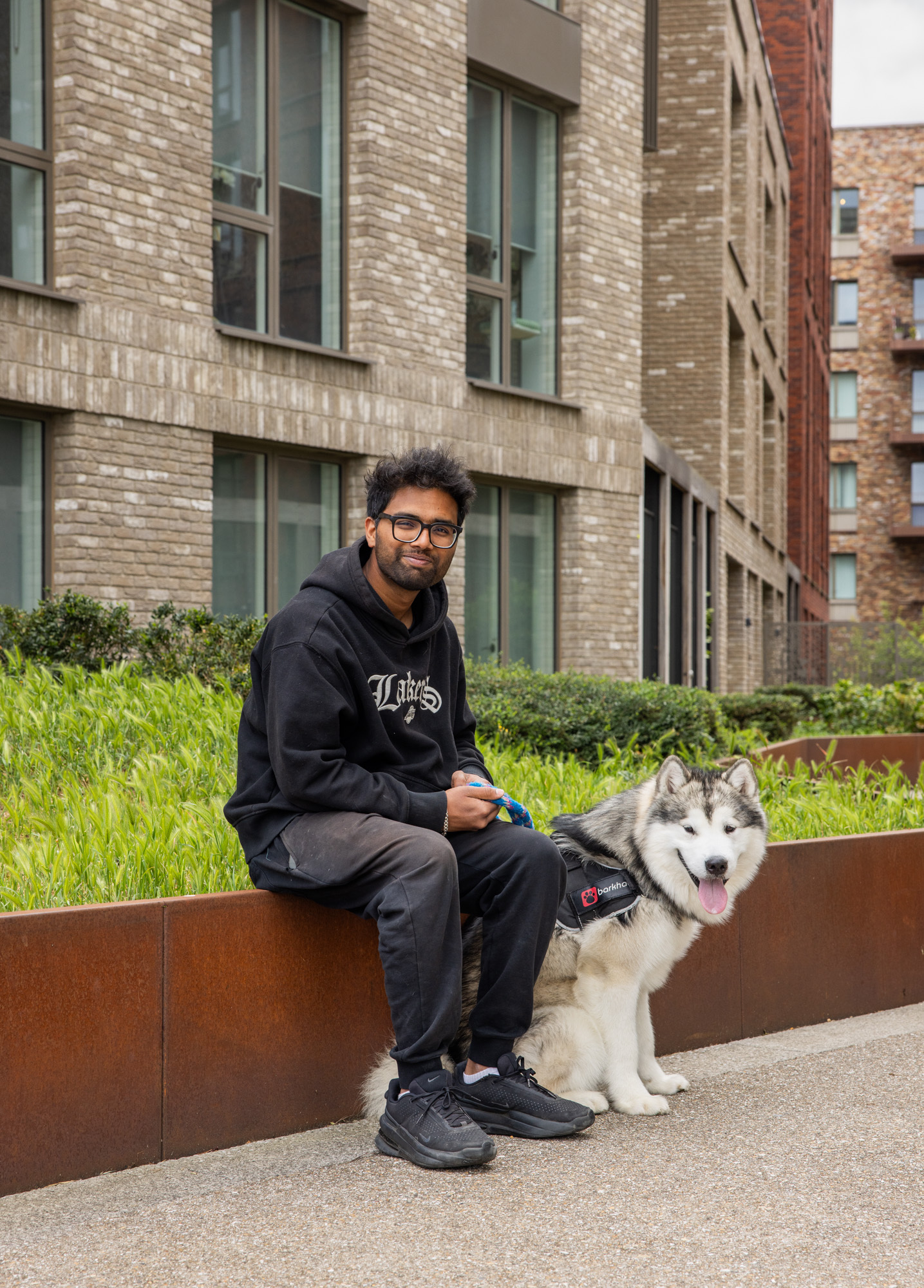
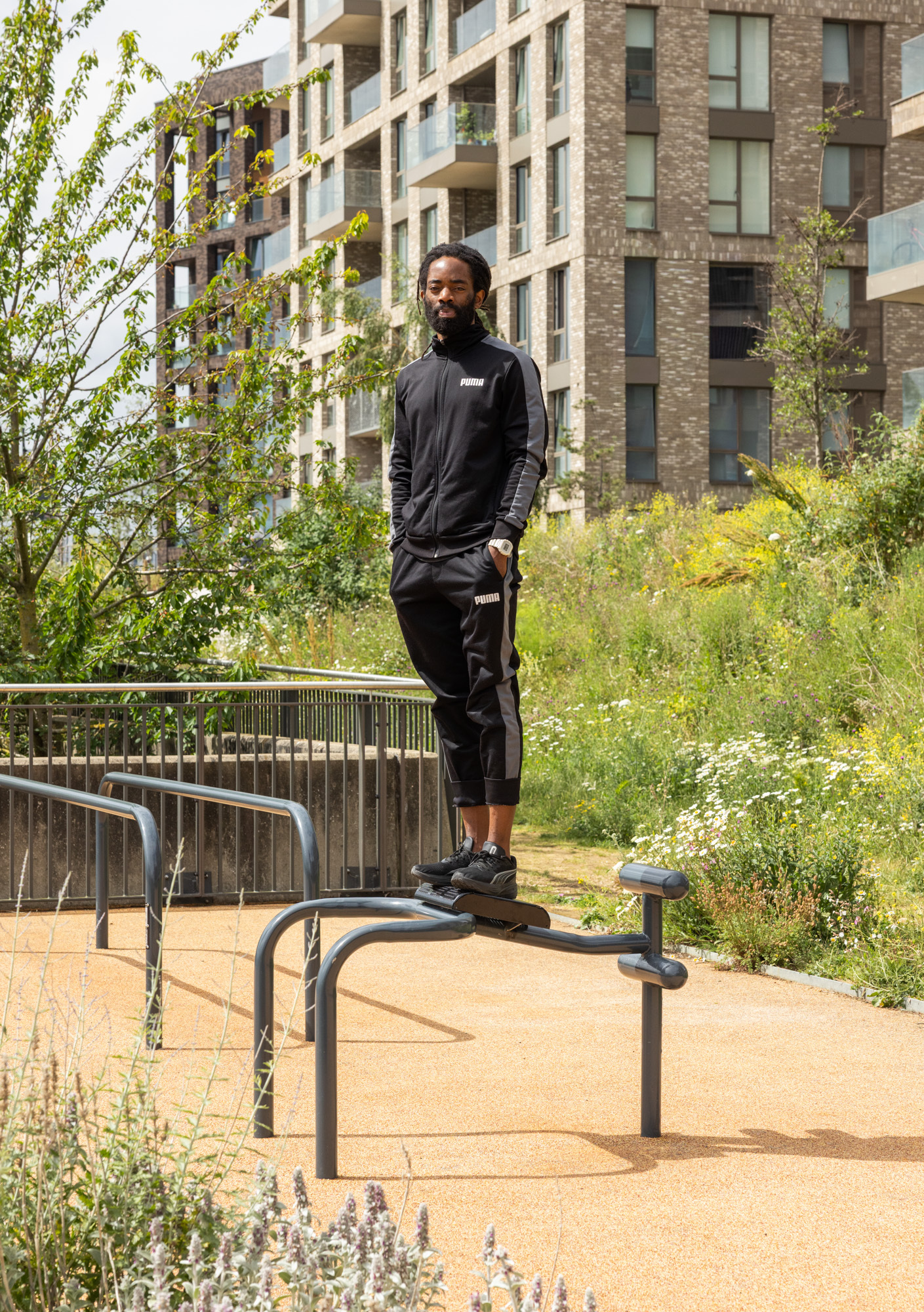
Portraits featured in Belonging at Royal Albert Wharf
Find out more
Explore how belonging takes shape at Belonging at Royal Albert Wharf, a free event on Tuesday 30 June at Art in the Docks Gallery. Discover a resident-led exhibition from 5pm and join a panel discussion from 6pm with architects, residents and project partners.
Book your free place.
To find out more about Tom’s work, email tombrightphotography@gmail.com or visit www.tombright.org